LifeScienceHistory.com - Check us out on Instagram
Take Your Next Career Step with Lundback
Geography & Climate
Industry
Snapshot | Economy/Cost of
Living
Education
| Recreation
& Entertainment | Transportation
History | Suggested
Reading List
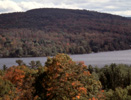 Located in the New England region of the northeastern United States, Massachusetts consists of 7,838 square miles or 5 million acres (20,300 square kilometers or 2,030,032 hectares) of land, and 2,717 square miles (7,037 square kilometers) covered by water. The state’s total area of 10,555 square miles (27,337 square kilometers) ranks Massachusetts 44th in area among the states.
Bordered by the Atlantic Ocean to the east, New York to the west, Vermont and New Hampshire to the north, and Connecticut and Rhode Island to the south, Massachusetts is divided into six distinct geographic areas: the Coastal Lowlands, the Eastern New England Upland, the Connecticut Valley Lowland, the Western New England Lowland, the Berkshire Valley, and the Taconic Mountains. The state’s highest point is Mt. Greylock, at 3,491 feet (1,064 meters) above sea level.
The Berkshires, the mountain resort area of Massachusetts, offer many opportunities for outdoor activities such as whitewater rafting, hiking, and skiing. The coastal region of Cape Cod offers miles of beaches and quaint seaside towns, in addition to protected areas in the Cape Cod National Seashore. Island destinations such as Martha’s Vineyard and Nantucket provide fine getaways, and the small chain of the Elizabeth Islands is mostly privately owned.
Massachusetts has a varied climate with cold winters and moderately warm summers, with cooler temperatures in the western uplands year round. The coast experiences the warmest temperatures, averaging 74°F (23°C) in July and 30°F (-1°C) in January. Snowfalls average 42 inches (107 centimeters), with higher levels in the Berkshires. Massachusetts can be affected by powerful coastal storm systems called Nor’easters, which occur mostly in the fall and winter months.
Related Resources:
Back to Destination Massachusetts


